



hatching eggs
Gà H'Mông
← Back to all breeds
The Gà H'Mông is an extremely rare and unique native chicken breed originating from the high mountainous regions of northern Vietnam, traditionally raised in free-range systems by the H'Mông ethnic minority for generations. Due to its distinctive biological characteristics, exceptionally high nutritional and restorative value, and incredible resilience to extreme environments, this breed has gained widespread recognition among breeders and poultry enthusiasts.
Here is a detailed introduction to the Gà H'Mông breed:
1. Origin and Cultural Background
- Highland Origin: The breed originates from the rugged mountains of northern Vietnam. Large temperature fluctuations and harsh climatic conditions through natural selection have forged exceptional disease resistance and survival instincts.
- Traditional Rearing: Traditionally raised by the H'Mông communities in free-range environments. In local culture, this chicken is not only valued as a high-quality source of meat and eggs, but is also widely regarded as a tonic with medicinal and restorative properties.
2. Unique Biological and Physical Characteristics
- Complete Melanin Pigmentation (Fibromelanosis): This is the most striking feature of the Gà H'Mông. High melanin deposition results in deep black or dark blue pigmentation across the skin, beak, shanks, toes, muscles, bones, and even some internal organs.
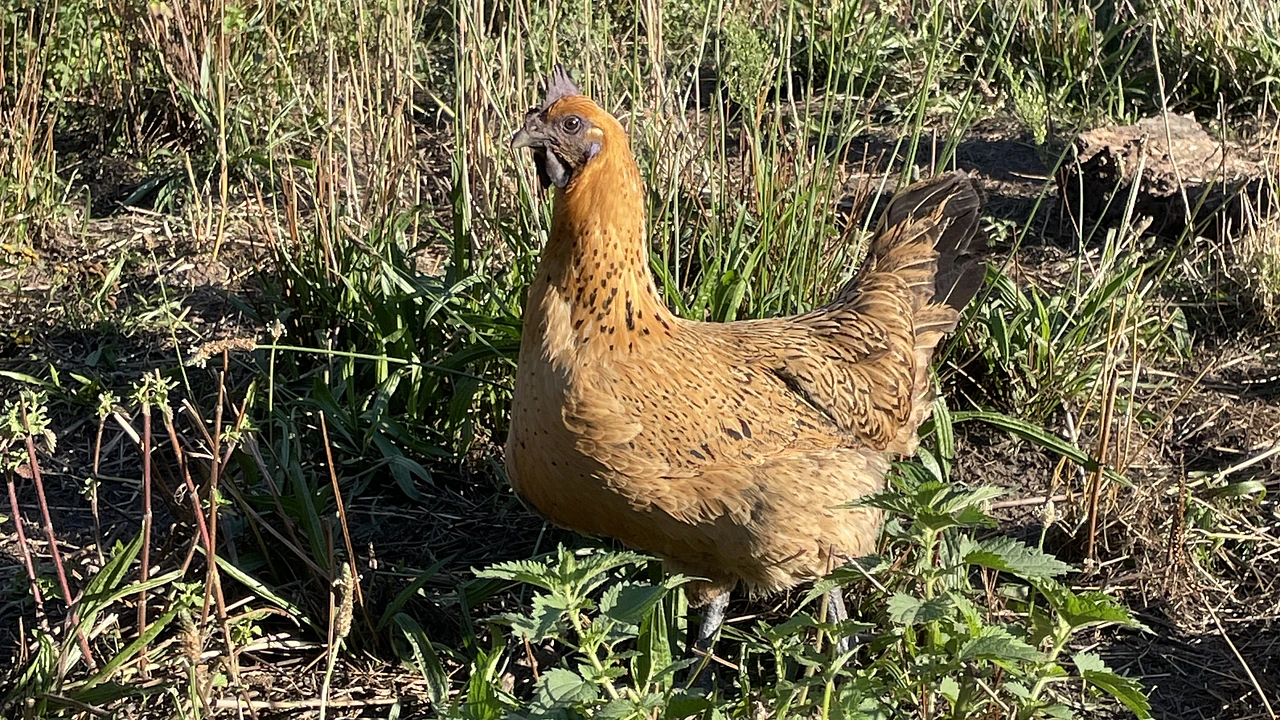
- Plumage and Body Structure: Unlike purely white Silkie chickens, the plumage of the Gà H'Mông exhibits natural variation. The most classic and common colors are jet black, dark mottled patterns, or dark metallic lusters. They possess a robust build, strong bones, and a deep chest—making them a medium-sized, muscular dual-purpose breed.
3. Meat Quality and Nutritional Value
- Tonic and Medicinal Properties: Rich in melanin, trace elements, and essential amino acids, its meat is prized in both traditional and modern nutrition for its health-boosting benefits.
- Exceptional Flavor and Texture: Thanks to constant foraging in open fields and woodlands, the meat is very low in fat, fine-grained, firm, and chewy. When used for simmering or making soup, it yields a clear, rich broth with a uniquely savory and aromatic flavor.
4. Behavior and Survival Instincts
- Superior Foraging and Wild Instincts: They have retained strong ancestral instincts, being alert, agile, and exceptionally fond of ranging freely across wide outdoor areas, shrubs, and woodlands to forage.
- High Hardiness: Having adapted to the harsh highland climate, they are highly weather-resistant, sturdy against common poultry diseases, and perfectly suited to extensive management conditions.
Breed profile
- Origin
- High mountainous regions of northern Vietnam, traditionally free-ranged by the H'Mông ethnic minority.
- Appearance Characteristics
- Complete Melanin Pigmentation (Fibromelanosis): Skin, beak, shanks, toes, muscles, bones, and some internal organs exhibit deep black or dark blue pigmentation. Plumage Color: Diverse plumage colors, with jet black, dark mottled patterns, or dark metallic lusters being the most classic. Body Structure: Robust build, strong bones, and a deep chest—a medium-sized, muscular dual-purpose breed.
- Quality Traits
- Rich in melanin and essential amino acids with low fat content; the meat is firm and chewy, yielding a rich, savory broth with high restorative value.
- Temperament & Habits
- Exceptional foraging instincts and survival skills, highly weather-resistant and disease-hardy, perfectly suited for free-range/woodland management.